
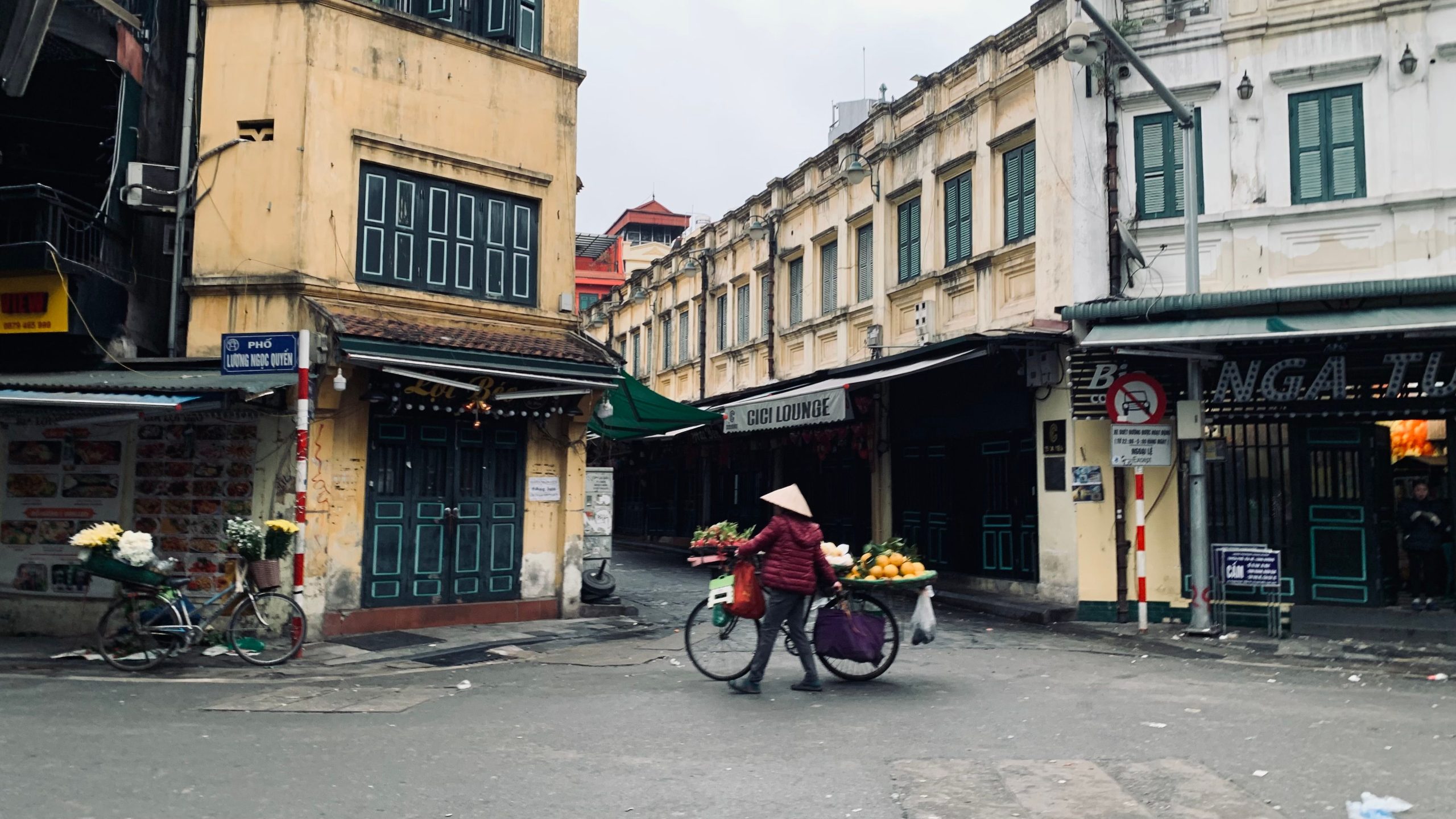
Southeast Asia is one of the most diverse regions in the world. It includes eleven countries, a population of roughly 680 million people, and a wide range of languages, economies, and political systems. Understanding regional developments in this area means looking at how national decisions, regional cooperation, and local community needs interact. This guide explains the main forces at work and how they connect to everyday priorities.
Table of Contents
- Understanding the Regional Context
- Economic Outlook and Growth
- Rural Communities and Local Livelihoods
- Regional Cooperation Through ASEAN
- How Community Priorities Shape Policy
- Local Markets and Food Systems
- Unity and Community Participation
- Practical Ways to Follow Regional Developments
- Closing Perspective
Understanding the Regional Context
Regional developments are changes that affect more than one country or a group of neighbouring communities. In Southeast Asia, they often include trade agreements, infrastructure projects, shifts in labour markets, environmental pressures, and changes in national policy. Because the countries in the region differ in size, income level, and governance, the same development can have very different effects from one place to another.
Several factors typically shape the regional picture:
- Trade flows and supply chains that link manufacturing and agriculture across borders
- Digital connectivity and the spread of online services
- Climate-related risks such as flooding, drought, and changing growing seasons
- Urbanisation and the movement of workers between rural and city areas
- Cooperation mechanisms among governments in the region
Looking at these factors together helps readers separate short-term news from longer trends that may influence communities for many years.
Economic Outlook and Growth
Economic performance is one of the most closely watched indicators of regional change. According to the World Bank’s October 2025 East Asia and Pacific Economic Update, the wider East Asia and Pacific region, which includes Southeast Asian economies, was projected to grow by 4.8 percent in 2025 and by 4.3 percent in 2026. The same report highlighted several pressures that may shape the outlook:
- Higher trade restrictions that can affect export-oriented economies
- Elevated global policy uncertainty that may delay business investment
- Slower global growth that reduces external demand
- Rapid adoption of automation, artificial intelligence, and digital platforms in the workplace
The World Bank also noted that many workers in the region hold low-productivity or informal jobs, and that young people often struggle to find work. Economic growth figures therefore tell only part of the story. Job quality, skills, and access to opportunity are equally important when assessing how regional progress reaches households. For more detail on the report and its findings, the World Bank press release on bolder reforms and job creation summarises the core arguments.
Rural Communities and Local Livelihoods
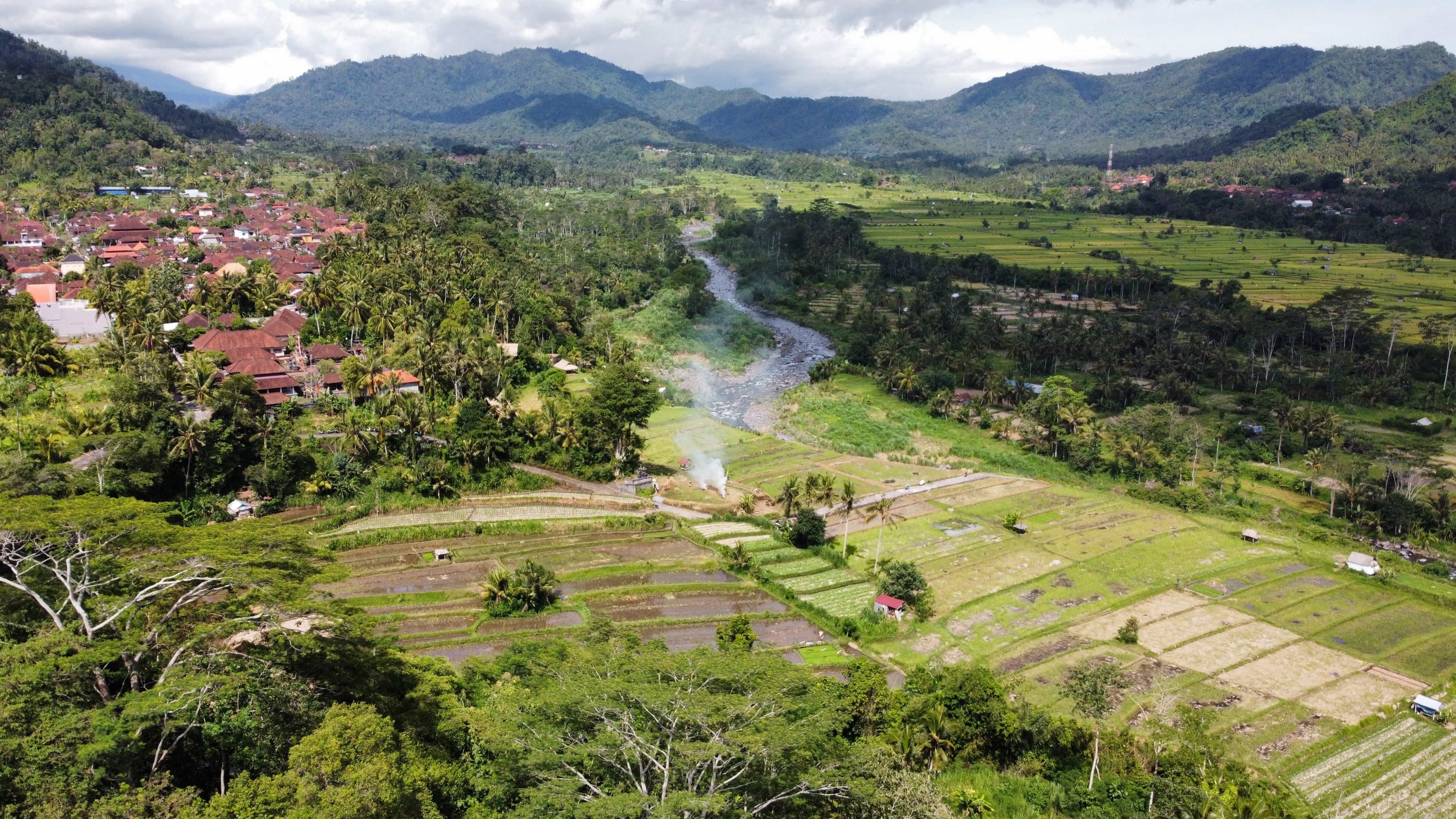
Much of Southeast Asia’s population still lives in rural areas, where farming, fishing, forestry, and small-scale trade remain central to local income. Village life often depends on shared resources such as irrigation channels, community forests, and local markets. Regional developments can affect these resources in several ways, including changes in land use, the cost of inputs, and access to transport and electricity.
Community priorities in rural areas frequently focus on:
- Reliable access to clean water and sanitation
- Roads and transport links to schools, clinics, and markets
- Training that helps residents adapt to new types of work
- Protection of farmland, waterways, and natural areas
Traditional housing styles, such as thatched-roof homes built beside ponds or rice fields, reflect long-standing adaptation to local climate and materials. Understanding these settings helps explain why development plans that work in one district may need adjustment in another.
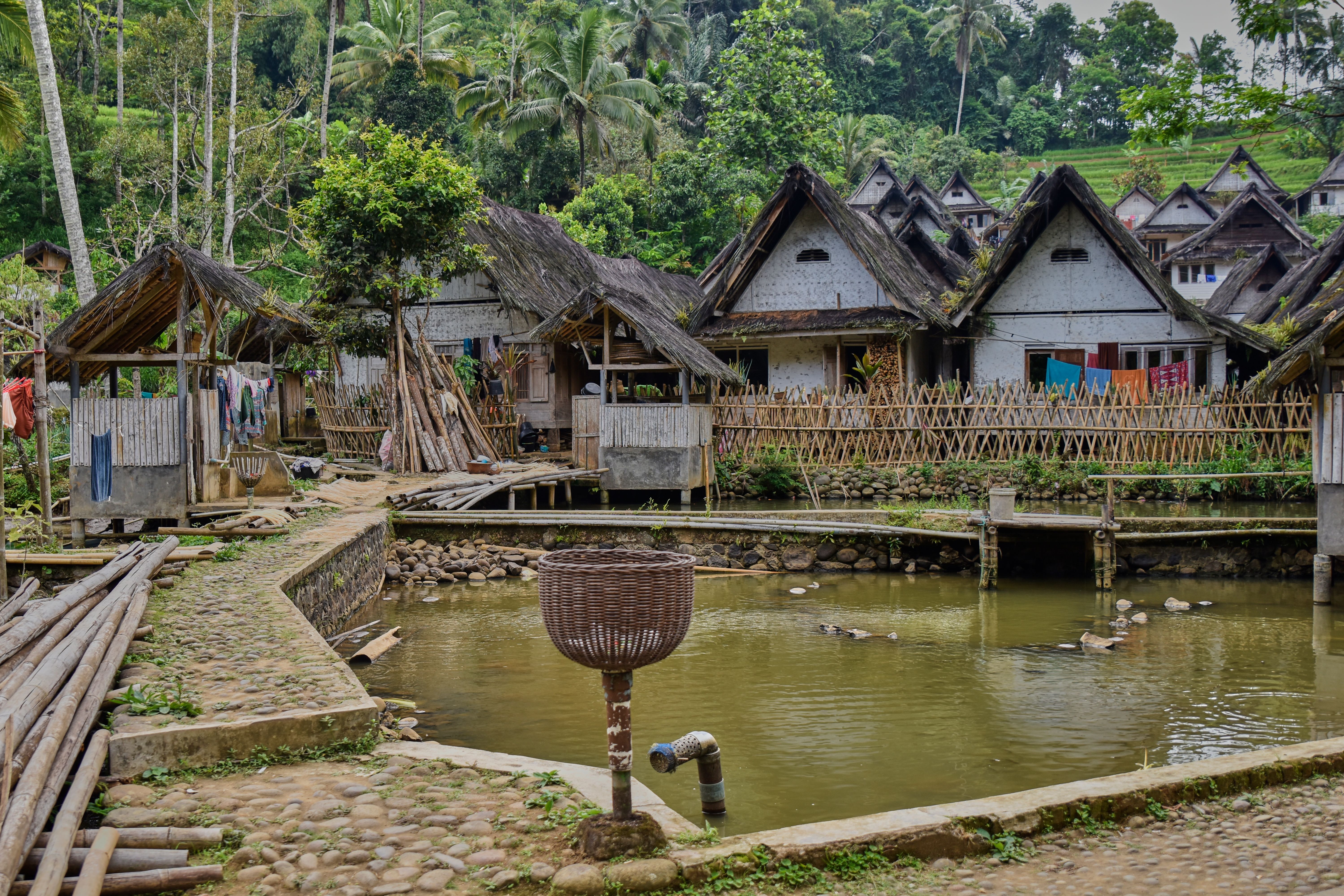
Traditional village homes beside a pond illustrate how rural communities in the region have long adapted their settlements to local landscapes and climate.
Regional Cooperation Through ASEAN
The Association of Southeast Asian Nations, known as ASEAN, is the principal intergovernmental organisation in the region. Its long-term plan, the ASEAN Community Vision 2025, is organised around three pillars. Each pillar sets out a broad aim, as summarised in the table below.
ASEAN also runs cross-sectoral initiatives, including the ASEAN Smart Cities Network, the Initiative for ASEAN Integration and Narrowing the Development Gap, and ASEAN Connectivity. These programmes indicate how the organisation links economic, political, and social goals. Readers who want the primary text can review the ASEAN 2025: Forging Ahead Together document, which sets out the vision in full.
How Community Priorities Shape Policy
Policy in Southeast Asia is shaped by national governments, regional bodies, businesses, and civil society. Community priorities influence this process when residents, local leaders, and organisations raise concerns through consultations, local councils, and community groups. Priorities usually reflect practical needs rather than abstract goals.
Public discussion in the region often centres on questions such as:
- How can new jobs be created for young people and for workers displaced by technological change?
- How can small producers access fair markets and credit?
- How can cities and villages prepare for extreme weather?
- How can cultural heritage and local languages be preserved alongside economic growth?
Regional news can be an important source of information on these questions. For current reporting on regional developments in Malaysia, a established international news service such as regional developments in Malaysia coverage can help readers place national events within a wider regional context.
Local Markets and Food Systems
Markets are where regional trade, local agriculture, and household consumption meet. In many Southeast Asian towns, morning markets sell seasonal vegetables, fruit, fish, and prepared foods, and they often serve as informal meeting places. Changes in transport costs, export rules, or climate conditions can quickly affect prices and availability at these markets.
Several features make local food systems important to community priorities:
- Small farms and vendors supply a large share of everyday food in many areas
- Seasonal produce links household nutrition to local weather and harvests
- Market access can support rural incomes when transport and storage are adequate
Fresh produce at an outdoor market shows how local food systems connect farmers, vendors, and households across the region.
Unity and Community Participation
Southeast Asia’s regional identity combines shared history, cultural exchange, and national distinctiveness. Within any country, states, provinces, and local communities may hold their own traditions and priorities, while still participating in national and regional life. This layered identity means that community participation often takes several forms at once, from local planning meetings to national elections and regional forums.
Ways that residents typically take part include:
- Attending village or district consultations on infrastructure and land use
- Joining cooperatives, farmers’ groups, and community associations
- Following public reports and official statements on policy decisions
- Engaging with schools, religious groups, and cultural organisations
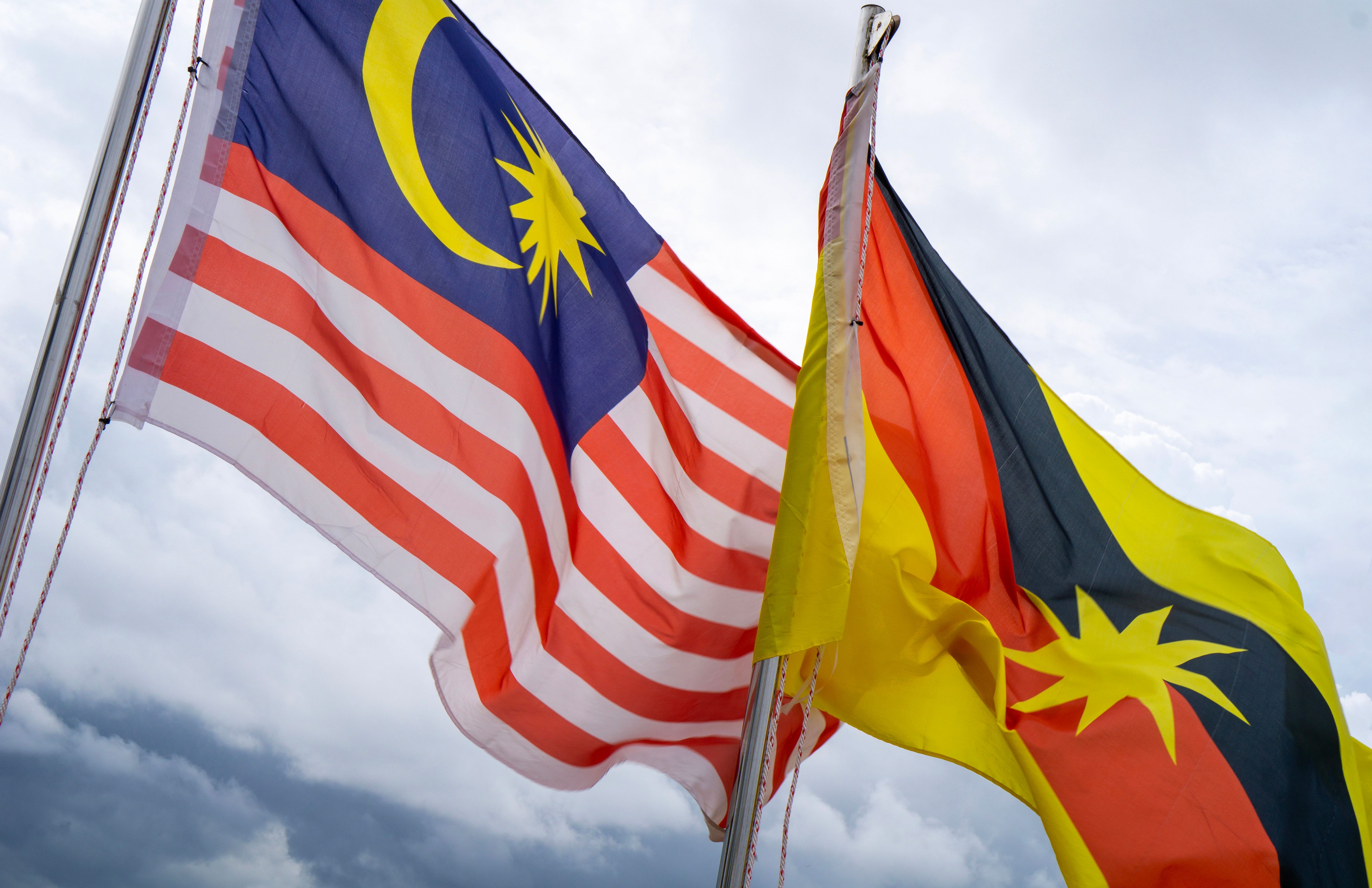
Flags from different parts of the same country flying side by side reflect how national and local identities can coexist.
Practical Ways to Follow Regional Developments
Staying informed about the region does not require specialist training. A few habits can make news easier to interpret:
- Check official sources, such as government gazettes, ministry statements, and intergovernmental publications
- Compare economic forecasts from several institutions, since projections are revised as conditions change
- Note the date of each report, because regional situations can shift quickly
- Distinguish between national events with local impact and developments that affect the whole region
Readers who follow these steps are generally better placed to understand how a single headline fits into longer patterns of growth, cooperation, and community life.
Closing Perspective
Regional developments in Southeast Asia are best understood as a combination of economic trends, institutional cooperation, and the everyday priorities of communities. Growth forecasts, ASEAN frameworks, and local markets each reveal a different part of the picture. Taken together, they show how decisions made in capitals and in villages can influence one another over time.