
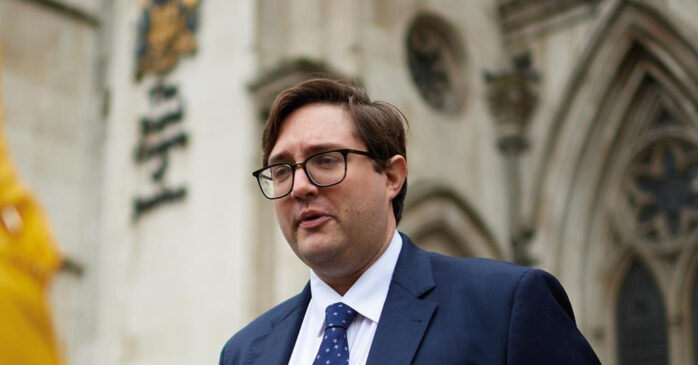
Tom Goodhead’s removal from the law firm he co-founded followed months of tension involving debt, governance and the influence of external funders. What began as a disagreement over financial management developed into a wider struggle for control of Pogust Goodhead, affecting its leadership, employees and some of Britain’s largest group litigation cases.
Spending Claims Intensify the Conflict

The reported luxury spending at Pogust Goodhead became a central issue in the boardroom dispute surrounding Tom Goodhead. Reports described expenditure involving private jets, luxury hotels, yacht parties, international hospitality and other expensive business activities while the firm was dependent on borrowed money.
Critics questioned whether these costs were appropriate for an organisation using external capital to finance lengthy legal proceedings. The concerns became more serious as information about substantial liabilities, delayed accounts and the firm’s continuing need for additional funding entered the public domain.
Goodhead has denied financial misconduct and rejected suggestions that he improperly used money intended for litigation. He maintains that the disputed expenditure covered legitimate activities associated with meeting clients, developing international cases and expanding a global legal practice. The allegations remain contested and should not be regarded as proven findings of wrongdoing.
Funders, Debt and the Struggle for Control
Pogust Goodhead’s business model required considerable financial support. Mass litigation can continue for years, forcing law firms to pay employees, experts and administrative costs long before any judgment or settlement produces revenue.
Gramercy provided extensive backing for the firm’s portfolio, which included diesel emissions proceedings and the large group claim against BHP arising from the Mariana dam disaster in Brazil. As the amount invested increased, the funder had a stronger commercial interest in budgets, governance and the firm’s ability to repay its obligations.
Reports indicated that disagreements developed between Goodhead and those seeking tighter financial controls. The founder characterised the events as a boardroom takeover, while the firm presented its restructuring as necessary to strengthen governance and protect its major cases. The dispute also raised concerns about the boundary between legitimate financial oversight and inappropriate funder influence over a law firm.
How Goodhead Lost His Leadership Position
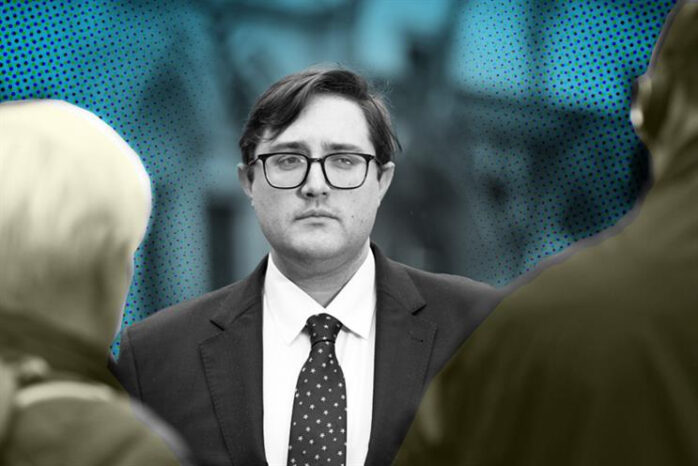
Goodhead was first replaced as chief executive when a new management structure was introduced. A reconstituted board assumed responsibility for the business as financial pressure and internal dissatisfaction increased. He later left the board entirely, bringing his formal involvement with Pogust Goodhead to an end.
Several senior lawyers also departed during the turmoil, including figures connected with important group claims. These changes created uncertainty among employees and clients who wanted reassurance that their cases would continue without interruption.
Pogust Goodhead has since secured further backing and introduced experienced external support for its largest litigation. Its strategic partnership with Quinn Emanuel is intended to strengthen the next phase of the BHP proceedings, while Pogust Goodhead continues representing the claimants.
Conclusion
The removal of Tom Goodhead was not caused by a single disagreement. Allegations about spending, increasing debt, governance concerns and tensions with funders combined to produce a major boardroom conflict. Goodhead continues to deny wrongdoing and disputes the way his departure was handled. Pogust Goodhead must now demonstrate that its restructured leadership can control costs, maintain legal independence and protect claimants whose cases depend on stable financing and experienced representation.