
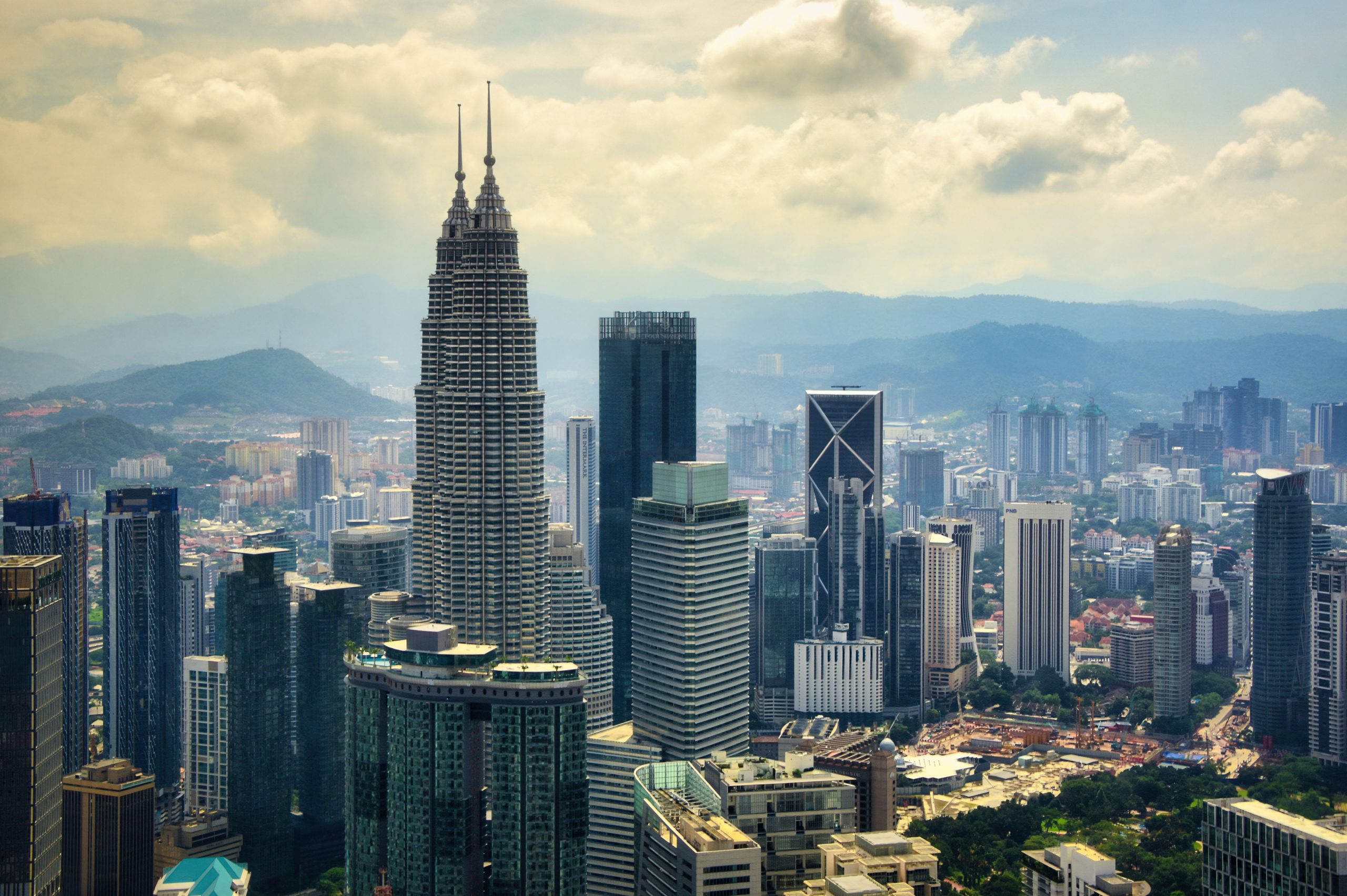
In September 2025, Malaysia began restricting its cheapest petrol price to citizens who could prove it at the pump. RON95 stayed at RM1.99 a litre, but only for holders of a valid national identity card, and only for the first 200 litres a month. By July 2026 the same logic had reached diesel, with a subsidised rate of RM2.10 a litre verified through the same identity card.
The fiscal pressure behind that decision was hard to ignore. Malaysia’s monthly bill for petrol and diesel subsidies climbed to roughly RM6 billion by April 2026, according to regional reporting by Channel NewsAsia, as global oil prices moved with events in the Middle East. Narrowing who qualifies became one of the few levers that could keep the headline price low for most households.
The design questions behind that decision are not unique to Malaysia. They belong to a wider set of economic policy developments across Asia and beyond, where a long-running argument about universal versus targeted support is being reworked in real time.
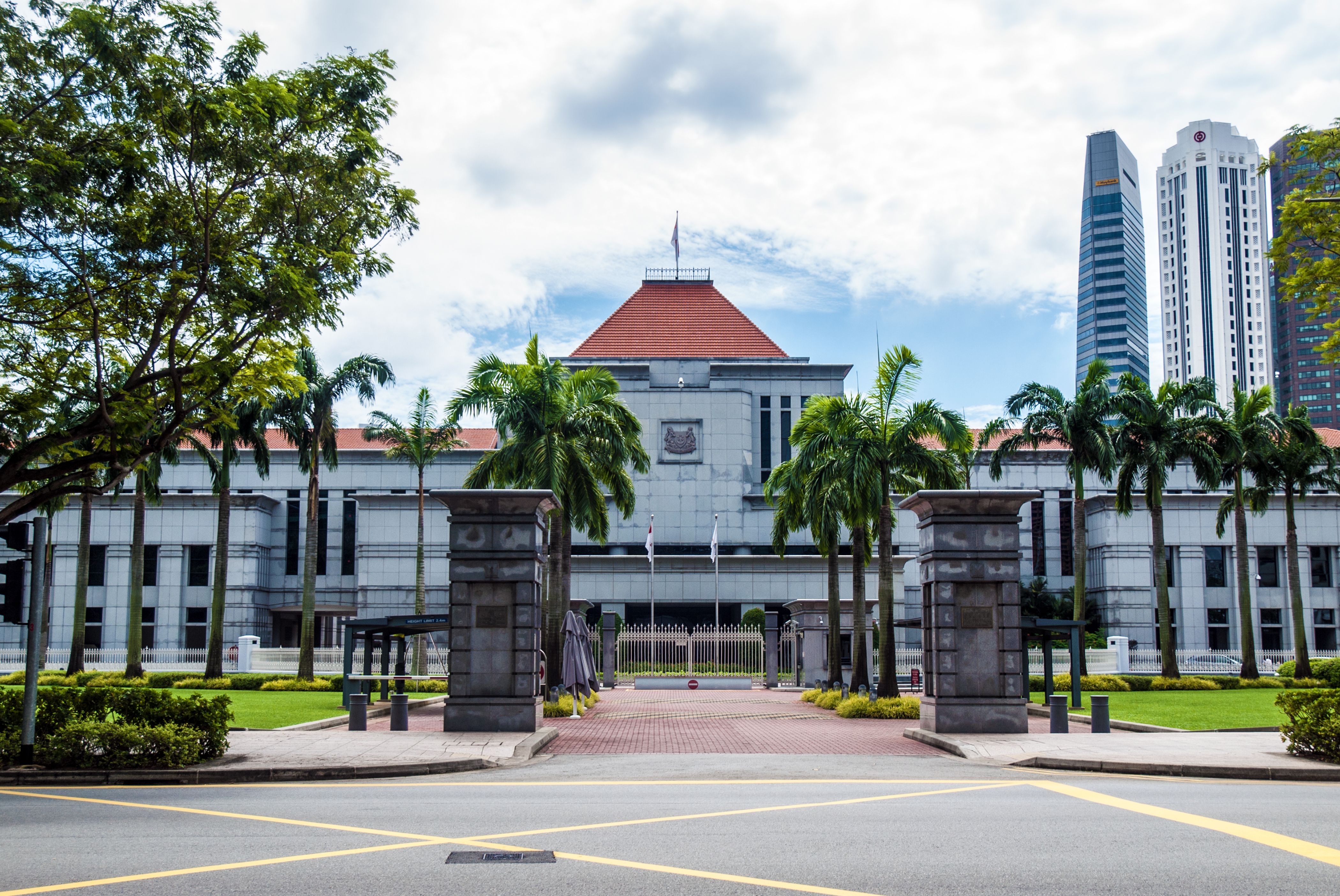
Malaysia’s test case: verifying eligibility at the point of use
The mechanism is a national identity card. The MyKad’s chip is read electronically when fuel is purchased, and the system decides whether the buyer is entitled to the subsidised rate. Malaysia’s finance ministry described the approach as a way to make subsidy distribution uniform, transparent, and easy to use, and projected that extending it to diesel could save up to RM2 billion a year.
Around 700,000 private diesel vehicle owners were expected to gain access from 1 July 2026, along with roughly 70,000 commercial vehicles in the goods transport sector using company fleet cards, according to the New Straits Times and Malay Mail. The subsidised rate applies only to Malaysian citizens.
Economists quoted in local coverage have noted a limit to the design. Because it filters by citizenship rather than income, the diesel scheme still reaches wealthier households as well as poorer ones. Moving to income-based targeting is the harder next step, and one officials have said they intend to take gradually rather than all at once.
The four ways governments decide who qualifies
Most support systems fall into one of four broad designs, and each carries a different kind of error.
| Approach | How eligibility is set | Example | Main trade-off |
|---|---|---|---|
| Universal | Everyone gets the same benefit, with no test | Flat child benefits in several high-income countries | Simple and low-stigma, but costs more for a given benefit level |
| Categorical | A whole group qualifies by characteristic, such as age | Old-age pensions and child allowances | Less stigma and low paperwork, but imperfect fit to need |
| Means-tested or proxy means | Income or asset thresholds, often via a registered household list | Brazil’s Bolsa Família; Indonesia’s unified database | Reaches poorer households, but exclusion risk and administrative load |
| Digital identity at point of use | Eligibility checked when the good or service is bought | Malaysia’s MyKad fuel system; India’s Aadhaar | Limits ineligible use, but raises access and exclusion questions |
Sources: Malaysian finance ministry and regional reporting (2026); J-PAL; India’s Press Information Bureau (2025); academic literature on biometric authentication. Current as of mid-2026.

Why “targeted” is harder than it sounds
Two failures are possible whenever eligibility is decided. An inclusion error lets someone who should not qualify receive the benefit. An exclusion error turns away someone who should. Policy design is largely a negotiation between the two, and reducing one often enlarges the other.
An experimental study of welfare delivery in the Indian state of Jharkhand, published through the University of California, San Diego, found exactly this tension. Requiring biometric authentication to collect food rations reduced the share of subsidised stock that did not reach intended recipients, but it also increased the number of legitimate beneficiaries who were unable to claim what they were owed. The researchers concluded that judging the reform only on fiscal savings would have missed those indirect costs.
An equally practical problem is deciding what need actually looks like. A 2026 study in the journal Asia Pacific Viewpoint used Korean household data to show that a household of four does not automatically need 60% more income than a household of two. Adding an adult carries a different cost than adding a child, and education spending behaves differently again. The study’s conclusion was blunt: one size does not fit all when it comes to household income needs.
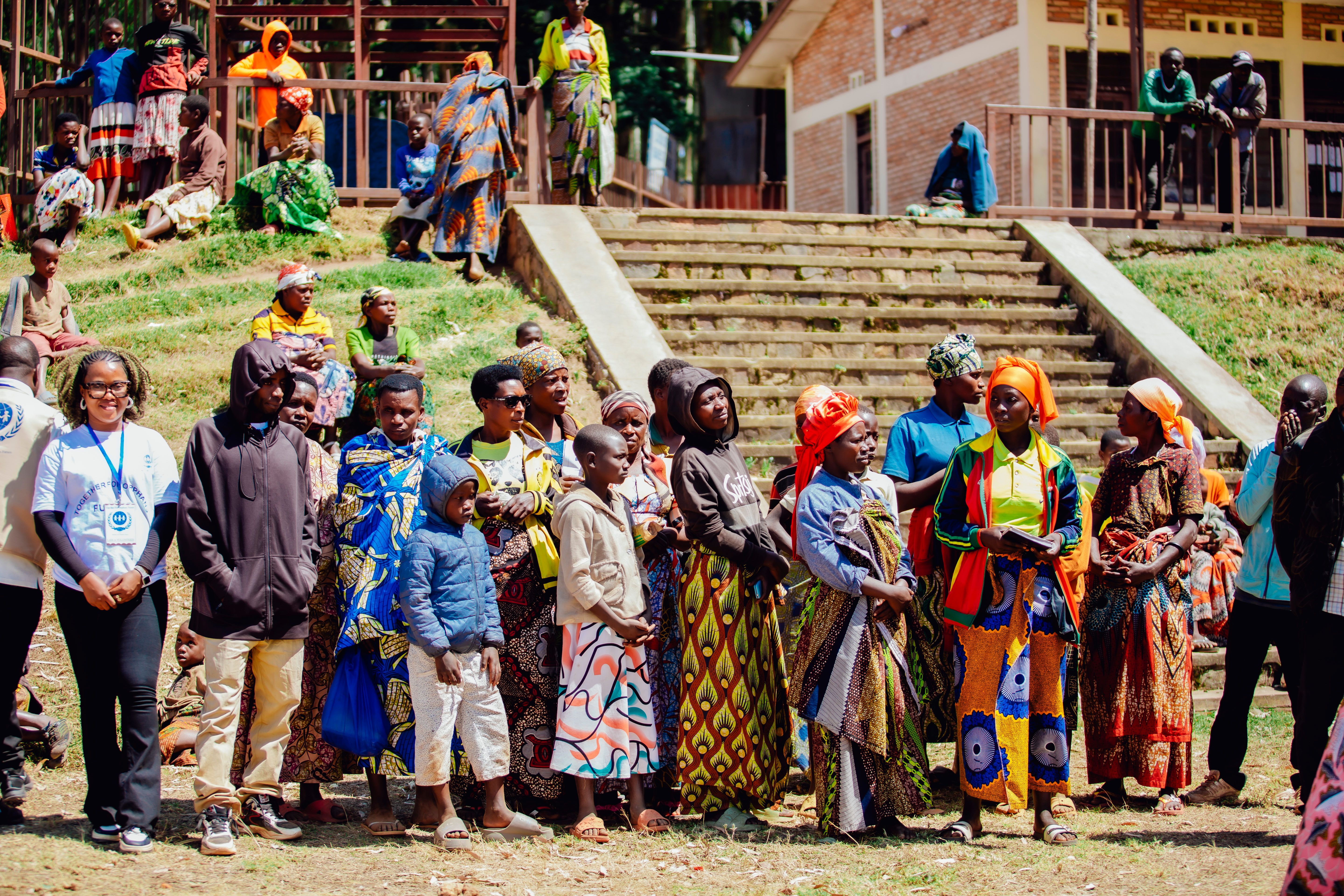
Cash, vouchers, or a lower price?
Once a government decides who deserves support, it still has to choose how to deliver it. Price subsidies keep costs down for everyone who buys the product. Direct cash transfers put money in a household’s hands and let it decide where the money goes. Vouchers sit between the two.

India’s Direct Benefit Transfer system is the largest of these experiments. A 2025 assessment published by the country’s Press Information Bureau, drawing on a report by the BlueKraft Digital Foundation, estimated cumulative savings of ₹3.48 lakh crore between 2009 and 2024, with subsidy spending falling from 16% to 9% of total government expenditure. Such figures measure avoided spending as much as delivered value and should be read as an efficiency signal rather than a direct count of household benefit, but the direction of travel is clear.
Indonesia’s experience adds detail about delivery. Researchers working with the government and the Abdul Latif Jameel Poverty Action Lab found that replacing a subsidised rice programme with electronic food vouchers reduced poverty among the poorest households by about 20% after one year, at less than half the administrative cost, and reached 18.8 million households by 2024.
Brazil’s Bolsa Família programme, which covers more than 55 million people and transferred an average of about US$139 per household per month in 2023, offers the longest test. A 2025 study in The Lancet Public Health estimated that the programme was associated with hundreds of thousands of averted deaths between 2000 and 2019, though the authors described these as modelled estimates rather than the result of a controlled trial.
Where money is redirected rather than spent anew, the distributional effect can be large. A 2025 study in the Journal of Environmental Economics and Management, using four decades of Iranian household data, estimated that moving one dollar per person per day from fuel subsidies into direct cash transfers would reduce the Gini measure of expenditure inequality by about 8%.
The universal option keeps returning to the table
If targeting is so difficult, why not simply give the same benefit to everyone? Universal basic income enjoys vocal support and a small number of serious trials. It has also proved difficult to convert that support into policy.
A study in the Journal of Social Policy found that even people who say they favour a universal basic income do not necessarily prefer it over a means-tested alternative when asked to choose between the two. And Seoul’s Stepping Stone Income Project, a randomised trial that began in 2022, simulated a national rollout and found that a more narrowly targeted version performed better on poverty and fiscal sustainability than either the existing system or a universal payment.
As of 2026, no country is known to operate a permanent, nationwide universal basic income, though pilots have run in several. The political economy explains part of the hesitation: a universal payment reaches everyone, which makes it attractive in principle and expensive in practice, and it replaces rather than adds to existing programmes.

What makes a subsidy reform survive contact with the public
The Center for Global Development studied subsidy reforms in Iran, Nigeria, and India and distilled a short list of conditions that appeared to help. Communicate the change in advance. Phase the price adjustment in rather than delivering it as a single shock. Pair it with a targeted cash transfer for low- and middle-income households. And move when global prices are favourable, so the gap being closed is smaller.
Ecuador illustrates the arithmetic. Its energy subsidies have accounted for about 7% of annual public spending, or roughly two-thirds of the fiscal deficit, according to research from Leiden University. That work modelled compensating the poorest households by raising the existing Bono de Desarrollo Humano transfer by close to US$50 a month, which it estimated would leave the poorest fifth of households about 10% better off while still freeing more than US$1.3 billion for the budget.
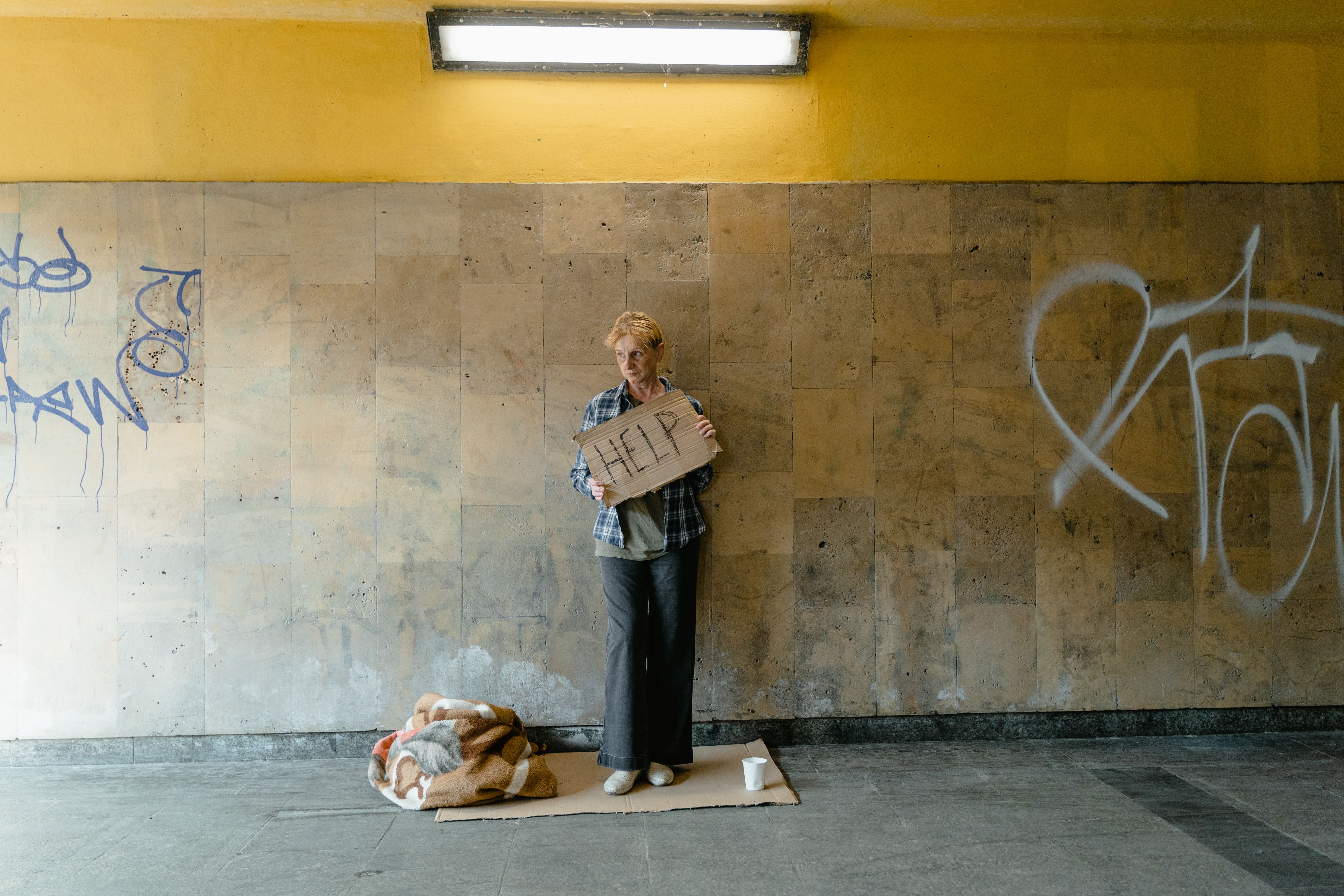
The common thread across these cases is that “who deserves support” is rarely answered by a single test. It is answered by a package: a rule for eligibility, a delivery method, a phase-in period, and a communication plan. Get the rule right and the delivery wrong, and the reform stalls at the counter.
Frequently asked questions
What is the difference between universal and targeted government support?
Universal support goes to everyone regardless of income, such as a flat child benefit. Targeted support is limited by a test, such as an income threshold, a category (for example, pensioners), or identity verification. Universal systems are simpler to administer and carry less stigma; targeted systems generally cost less for the same benefit level but depend on accurate data about who qualifies.
Why does Malaysia check a national identity card for fuel subsidies?
The MyKad chip is used to confirm citizenship and apply a monthly purchase cap at the pump. The stated aim is to direct the subsidised price to citizens while limiting the volume a single buyer can claim, rather than lowering the price for every purchase.
What are inclusion and exclusion errors?
An inclusion error occurs when a benefit reaches someone who does not qualify. An exclusion error occurs when someone who does qualify is wrongly denied. Tightening eligibility rules usually reduces inclusion errors while increasing exclusion errors, which is why delivery details matter as much as the eligibility rule itself.
Do cash transfers work as well as price subsidies?
Evidence from Indonesia, India, and Brazil suggests that well-designed transfers can reach intended households efficiently and can be delivered at lower administrative cost. Outcomes depend heavily on whether the payment system is reliable and whether eligible households can actually access it.
Has any country adopted a universal basic income nationally?
As of 2026, no country is known to operate a permanent, nationwide universal basic income, although several have run pilots and trials. Evaluations generally find trade-offs among coverage, labour participation, and fiscal cost.
How this article was put together
This piece set out to explain how governments choose who receives support, using Malaysia’s fuel subsidy changes as a starting point. It draws on official releases and reporting from Malaysia, India, and Indonesia; peer-reviewed studies in The Lancet Public Health, the Journal of Social Policy, and Asia Pacific Viewpoint; working papers on welfare delivery; and modelling research from Leiden University and the Center for Global Development. Figures are current to mid-2026. Subsidy amounts, eligibility thresholds, and monthly caps change frequently, so they should be rechecked against the relevant government source before being relied on.